
The Way the River Remembers
By Fiona Murphy
They took him from his mother while his father was at war,
split him from his brothers and sisters like pages torn from a book.
Vince and brothers to Kinchela. The girls to Cootamundra.
Some never came home—dead in care.

He kept their names folded in his chest,
a map of grief that never stopped shifting.
His parents’ letters begging for their children’s return
gathered dust, unread, in drawers lined with silence.

And yet—he became more than what they tried to erase.
He learned to drive trains, made iron sing beneath him,
watched the country change through windows streaked with light.
He built something no institution could contain.

Maria, the pulse beside him, stitched joy into the everyday.
Their children, bright with the future, gathered around him.
He said they helped him remember how to be soft.
That’s what transformation does—it cracks us open to light.

He painted boys running from locked gates,
birds returning to hands once emptied.
He laughed not to forget, but to remember differently—
because joy, too, is a form of uprising.

He called me kin.
Wrapped me in a story still becoming.
In his world I learned: suffering is not the end of a person,
it’s the soil something luminous can grow from.

What he endured could have hardened him—
but instead, he became a river.
And I stepped in.
And I’m still learning how to flow.
Author note
This poem is written in honour of Uncle Vince, a member of Australia’s Stolen Generations. As a child, he was forcibly removed from his Aboriginal mother while his white father was away at war. Along with his brothers and sisters, he was sent to state institutions under assimilation policies that tore thousands of Aboriginal children from their families, culture, and country.
Two of his siblings died in care. He survived Kinchela Boys Home, where cruelty was institutionalised, and later reunited with some of his siblings. He built a life marked by love, resistance, creativity, and leadership—raising children, painting, laughing, and becoming a community figure who held space for others.
To encounter him was to learn something essential about what it means to endure, to make a life out of unspeakable theft, and still choose to give, to care, to welcome. This poem is a reflection on that encounter, and on the slow, radical practice of becoming different in the light of another’s truth.
Fiona Murphy
Fiona Murphy is an anthropologist and writer whose work moves between fieldwork, memoir, and lyrical theory. She is the co-author of Integration in Ireland: The Everyday Lives of African Migrants and co-editor of volumes on displacement, solidarity, and public anthropology. Her creative research explores ritual, memory, and the poetics of place, from rural Ireland to Southeast Asia. She teaches at Dublin City University and co-edits the journal Anthropology and Humanism.
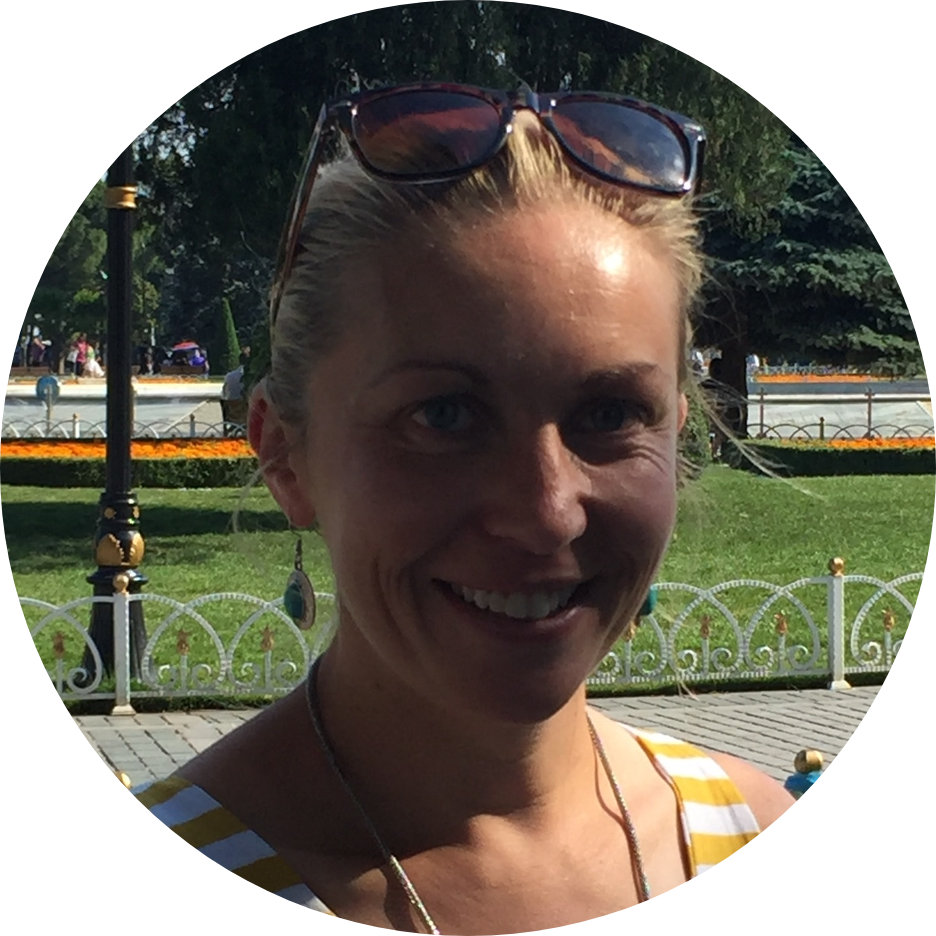
Photo credit: Weichao Deng
 Apricot Press